
Scaling without losing simplicity

As organisations grow, how do we introduce enough structure to create clarity and consistency without slowing people down?
Summary: As organisations grow, complexity is inevitable. The challenge is making sure complication isn't. The more people, teams and products we add, the easier it becomes to respond with more process, more meetings and more approvals. Sometimes that's exactly what's needed. Often it just creates another layer to navigate. The way to tell the difference is to follow the friction: answer a repeated question once for everyone rather than individually, watch where projects stall and where teams invent their own workarounds, and make the right behaviour the easiest one. Ask the team every few months which parts of the way you work feel heavier than they need to. Before adding anything new, check that it removes more effort than it creates.
Growth changes the way work happens. The work itself does not necessarily become more difficult. Instead, the environment around the work becomes more complex.
The question I keep coming back to is not whether growing organisations need more structure. I think they do. The more interesting question is how we introduce enough structure to create clarity and consistency without making work feel heavier than it needs to.
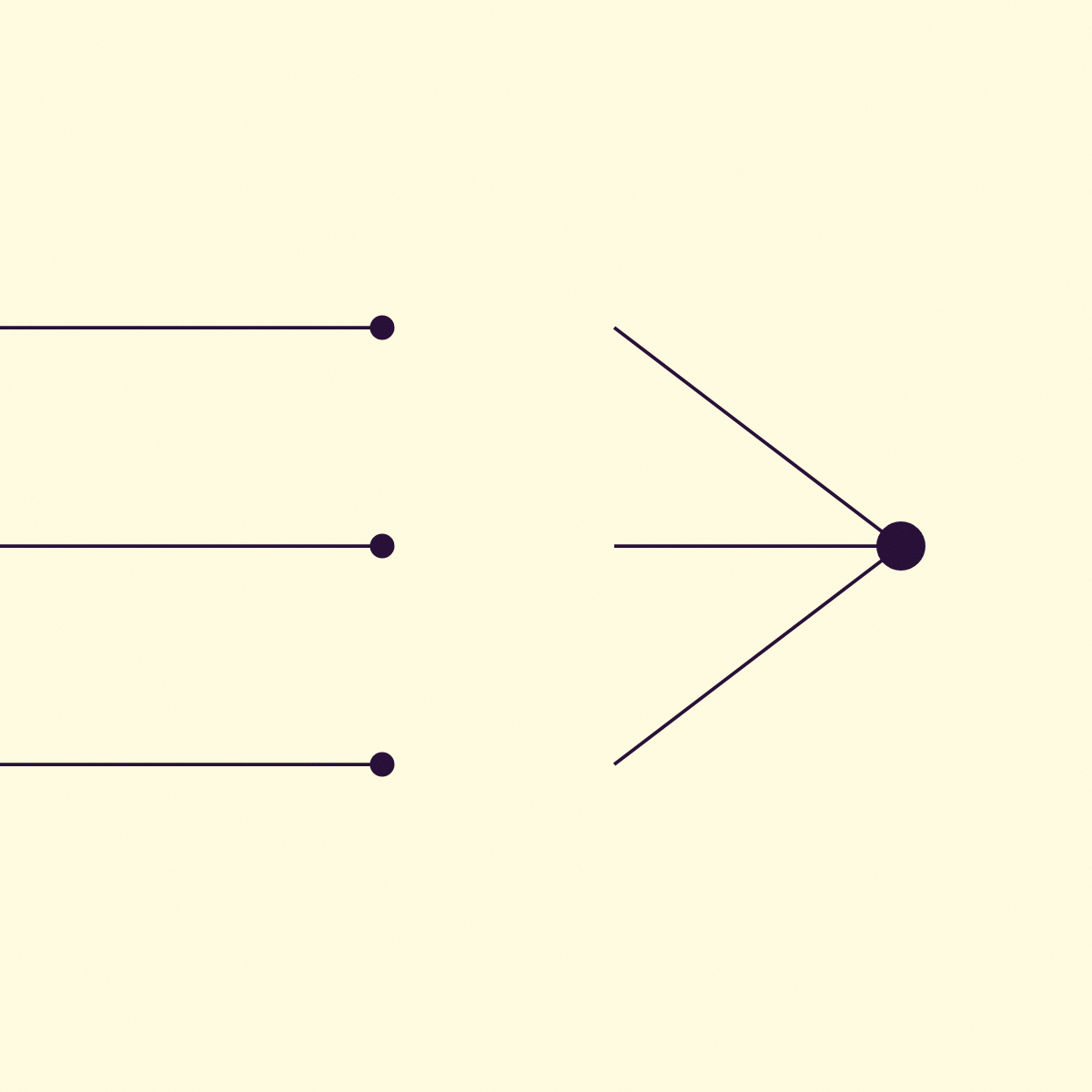
Simplicity and structure are not opposites
There is a common assumption that simplicity means having fewer processes. I've found the opposite is often true.
Without enough structure, people spend a surprising amount of time trying to work out how to work. Questions that once had obvious answers start appearing more frequently.
These are rarely capability problems. More often, they are signs that the organisation has outgrown the informal ways of working that served it well when it was smaller.
Good structure does not eliminate complexity, but it does remove many of the small uncertainties before they become blockers. The result is that people spend less time navigating the organisation and more time contributing to it.
A practical tip: The next time you hear the same question being asked across different teams, resist the temptation to answer it individually. Instead, ask whether there is a simple way to make the answer obvious for everyone.
Sometimes the right solution is not another conversation. It is making the knowledge easier to find.

Follow the friction
One mistake I see organisations make is trying to design the perfect operating model before they understand where people are actually struggling.
The result is often more process than anyone really needs. I've found it far more effective to follow the friction.
Where do projects consistently slow down?
Where do decisions keep being revisited?
Where are teams creating their own workarounds because the existing process no longer fits the way they work?
Those moments are worth paying attention to because they tell you where a small amount of thoughtful structure could make a meaningful difference. The solution is rarely complicated. The value comes from solving a problem that people experience repeatedly.
A practical tip: Before introducing a new process, ask yourself “What recurring problem is this solving?” If the answer is difficult to articulate, it may be worth waiting until the need becomes clearer. Good structure solves recurring problems. It does not anticipate imaginary ones.

Make the right way the easiest way
The best ways of working are often the ones people barely notice. Not because they are invisible, but because they feel intuitive. They remove small moments of uncertainty before they become interruptions.
A good checklist exists so people do not have to remember everything. A clear decision log saves the same conversation from happening again. A lightweight template helps people focus on their thinking instead of formatting a document from scratch.
None of these are about adding control, they are about reducing the mental effort required to get started.
The more I think about it, the more I believe good structure is really about reducing cognitive load. It quietly removes the small decisions that distract people from the important ones.
A practical tip: Whenever I am creating a new template, process or meeting, I ask myself whether it makes the right behaviour the easiest behaviour. If people have to work around the process to get their job done, the process probably needs more attention than the people do.

Keep reviewing your ways of working
As organisations evolve, their ways of working should evolve too. Processes that were invaluable a year ago may now create unnecessary friction. Equally, new challenges may have emerged that would benefit from a little more structure.
The healthiest organisations I have worked with have never treated their ways of working as fixed. They have been willing to ask whether something still serves its original purpose, and just as willing to simplify when it no longer does.
A practical tip: Every few months, ask your team:
Which parts of the way we work genuinely help you?
Which parts feel heavier than they need to?
Where do you find yourself creating workarounds?
The answers often provide a better roadmap for improvement than any process review ever could.

Every process has a cost
It is easy to think about the benefits of introducing a new process. It is much harder to think about what it asks of people. The best processes remove more effort than they create. They make decisions easier, reduce unnecessary conversations and help people move forward with confidence.
A practical tip: Before introducing something new, ask yourself: What problem is this solving? Will it remove more work than it creates? Is there a simpler way to achieve the same outcome?
If the process creates more effort than it removes, it is probably worth redesigning before rolling it out.
| Ask | If the answer is fuzzy |
|---|---|
| What problem are we solving? | Write the problem in one sentence before anyone gets a task |
| What's decided, what's still open? | Split the update into decided / still testing / needs a call |
| What are we not doing this round? | Publish the exclusions, not just the priorities |
| Who makes this call? | Name a person, not a group |
| What needs to be true for this to count as successful? | Get an answer from each team, then write it down |
A final reflection
The more I work with growing organisations, the less I think scaling is about adding more. It is about becoming more intentional.
Introducing just enough structure so people know where to find information, how decisions are made and what good looks like. Not because process is valuable in itself, but because it creates the clarity and consistency that allow people to do their best work.
The goal is not to build a more sophisticated organisation. It is to build one where good work feels a little easier every day.
FAQ
How much process does a growing team actually need?
Enough that people stop spending time working out how to work. A reasonable test: can someone find the information they need, and know who makes a given decision, without asking anyone? Below that line, teams invent their own answers and those answers diverge. Above it, the process starts costing more than the uncertainty it removed.
What is the difference between complexity and complication?
Complexity arrives with growth, in the form of more people, more clients and more things happening at once. Complication is what gets added on top: the extra approvals, meetings and steps introduced for sensible reasons and never removed. Growing organisations can't avoid the first. The second accumulates quietly, and it's the one worth watching.
How do you know when to introduce a new process?
When the problem it solves has already happened several times and you can describe it in a sentence. If naming the recurring problem is difficult, the need probably isn't clear yet. Structure built for a problem people have already hit is the kind that gets used, because it's solving something they recognise.
How do you get people to follow a new process?
Make it the easiest available option. People work around process when the compliant path costs them more effort than the shortcut, so the fix is usually in the design rather than the enforcement. Pre-fill what can be pre-filled, cut the steps that exist out of habit, and check whether the process asks for anything the person has already supplied elsewhere.
How often should you review your ways of working?
Every few months. It works better as three questions put to the team than as a formal process review: which parts of the way we work help you, which parts feel heavier than they need to, and where are you creating workarounds? Anything that no longer serves its original purpose is a candidate for simplifying or removing.
Thoughtful structure starts with the right tools
The same principle applies to your own workflow. Enough structure to create clarity, not so much it gets in the way.
Could you use a central hub for your freelance work?
The Organised Creative Notion Template helps you track projects, manage deadlines, and store important info in one place, so you spend less time navigating and more time doing the work.
EXPLORE THE TEMPLATE →
How about systems that scale with your life?
The Most Organised Person I Know shows you how to design simple systems that reduce mental load and help your work flow more smoothly, from daily tasks through to long-term projects, at work and at home.
GET THE EBOOK →
Because the best systems are the ones you barely notice.