The AI image battle: which tool creates the best images in 2026?

I retested five AI image tools against one brief, a vintage cookbook illustration, and last year's rankings didn’t hold up.
Summary: AI image tool rankings don't stay true for long, because every ranking is an answer to one brief. Last year seven tools drew a branded infographic for me: Claude came out elegant, Gemini chaotic. This year five tools drew a vintage cookbook illustration and the podium flipped. Gemini won, and went on to draw my recipe app's entire illustration set. Notion AI came second by picking the right Google model on its own. Claude, the tool that built the app itself, drew the worst image of the field, and ChatGPT, last year's 'one reliable tool', never produced an image at all. Two lessons: test tools against the brief in front of you, and if you need a series of images, create them all in the same thread for consistency.
Last year I gave seven AI tools the same brief and ranked the results: a branded infographic, judged on instruction-following, data visualisation and brand consistency. Claude came out 'detailed and elegant'. Gemini came out 'colourful but chaotic'.
Then this week I wanted illustrations for a recipe app I built with Claude, in the style of the 1970s Moosewood Cookbook: hand-drawn ink, crosshatching, a single vignette on cream. Claude's attempts were laughably bad (my toddler could have done better). Gemini drew the whole site. The 2025 rankings inverted on a new brief, and that felt worth a proper retest.
Two changes to the line-up since last year. I don't use Grok anymore (even for testing purposes), and ChatGPT eliminated itself during testing, which we'll get to. So this year's field is five.
The experiment
Same rules as last year: one prompt, every tool, side by side. This year's brief is the exact prompt that made my recipe app's illustrations, with the same subject for every tool:
PROMPT: "Vintage 1970s vegetarian cookbook illustration in the style of the Moosewood Cookbook: hand-drawn pen and ink sketch, fine crosshatching and stippling, slightly naive whimsical linework, as if drawn with a dip pen. A small isolated vignette of a cluster of field mushrooms, one cut in half, floating on a plain warm cream background, generous empty space around it. Dark brown-black ink only, monochrome. No text, no lettering, no colour, no plate settings, no table, no scene, no border, no frame. Square."
This brief tests three things:
Style adherence: can it do ink line art when every model's instinct is glossy food photography?
Negative instructions: the prompt bans text, colour, plates, tables, scenes and borders. Bans are where image models cheat.
Restraint: the hardest part of the brief is the empty space. Can it draw a small thing and stop?
One generation per tool, first result kept, no retries and no cherry-picking.
The results, best to worst
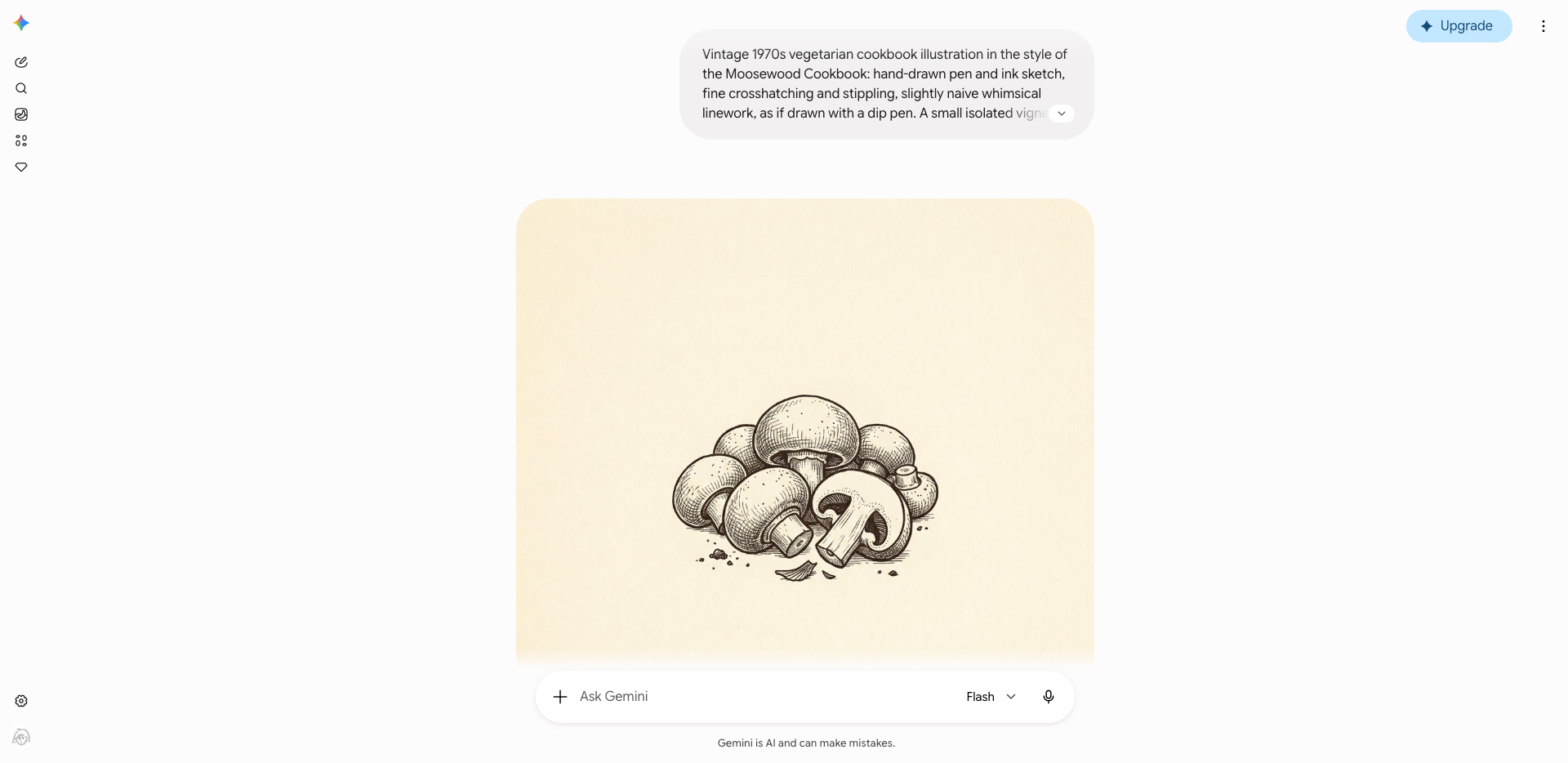
Gemini’s mushrooms
1. Google Gemini
Powered by: Google's Nano Banana image models.
Style: Confident crosshatching on a warm cream ground, and it knew when to stop drawing
Strengths: Nailed the brief, and had the easiest copy-and-save of the field, which matters more than it sounds across twenty images
Weaknesses: Nothing that mattered on this brief.
Best for: Illustration sets you'll actually ship
Won the job and drew the whole site.
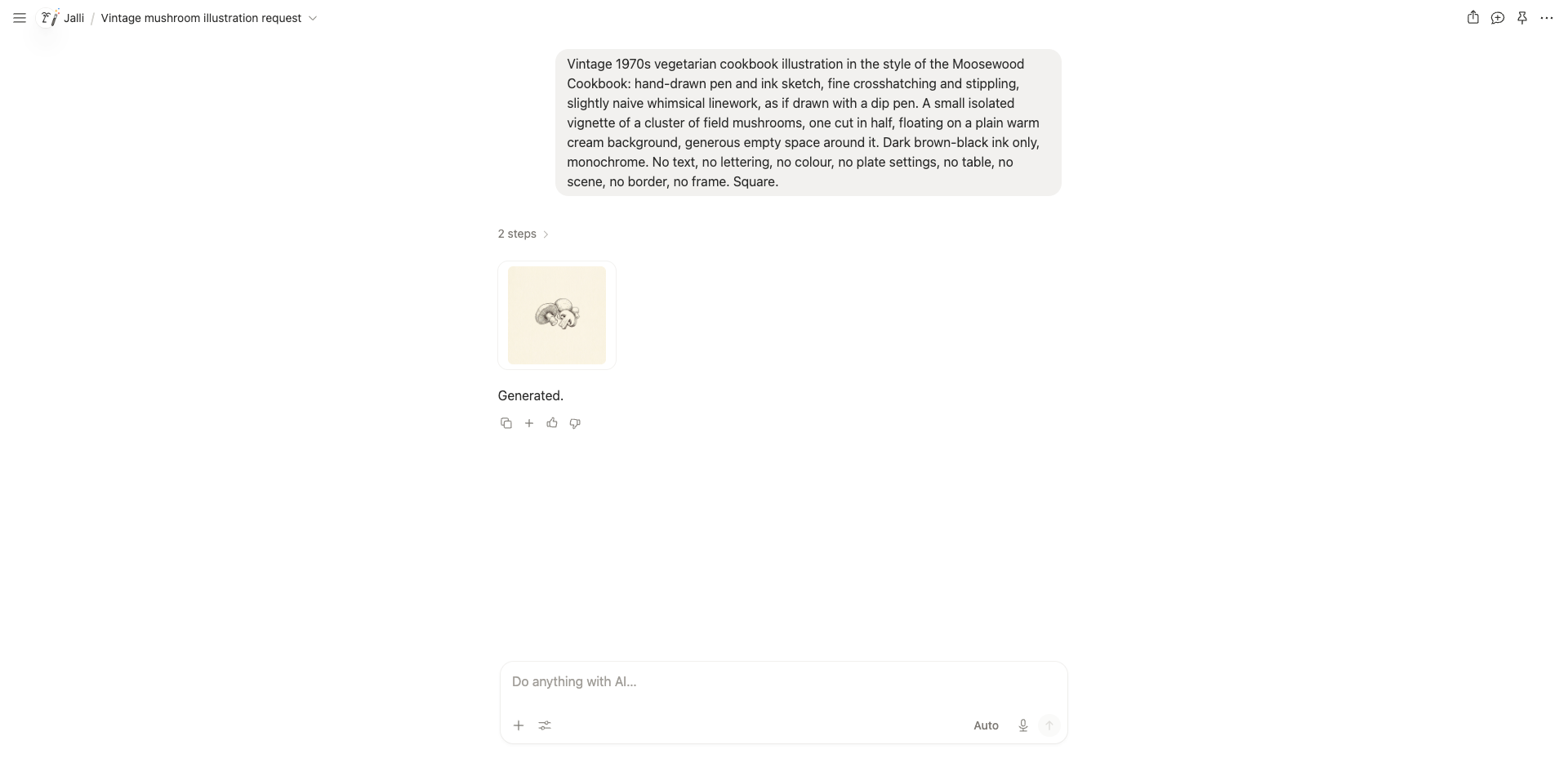
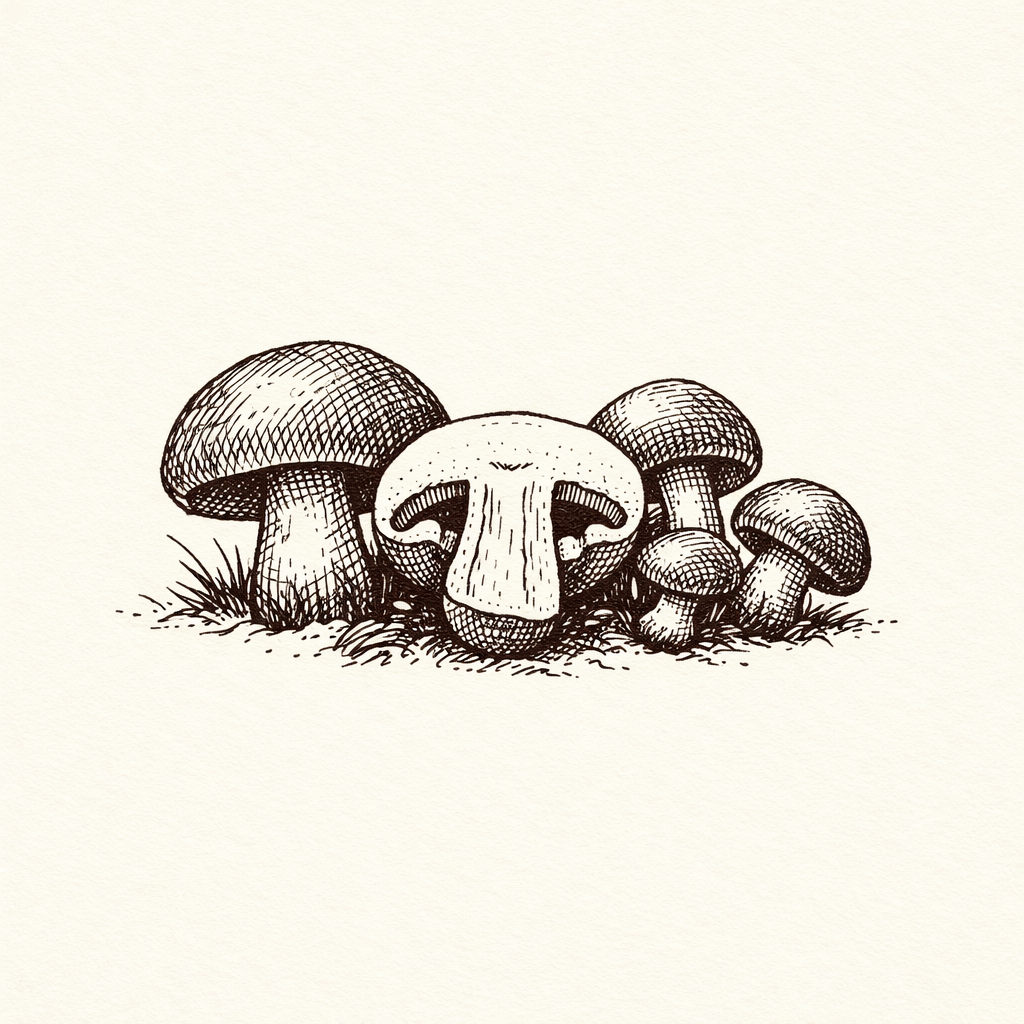
Notion's mushrooms
2. Notion AI
Powered by: Nano Banana (Google). Notion chose that model itself, based on the prompt.
Style: Beautifully simple, with the level of detail matched to the brief.
Strengths: Picked the right tool for the job unprompted. The judgement is the product.
Weaknesses: Saving images out is clunkier than Gemini's. With more credit appetite I suspect the whole flow could be automated, images generated and attached to Notion cards in bulk, but this project didn't need a persistent record base so I didn't test it.
Best for: Notion-native projects where the images should live on cards and pages anyway
The surprise hit two years running, this time for choosing its own weapon.
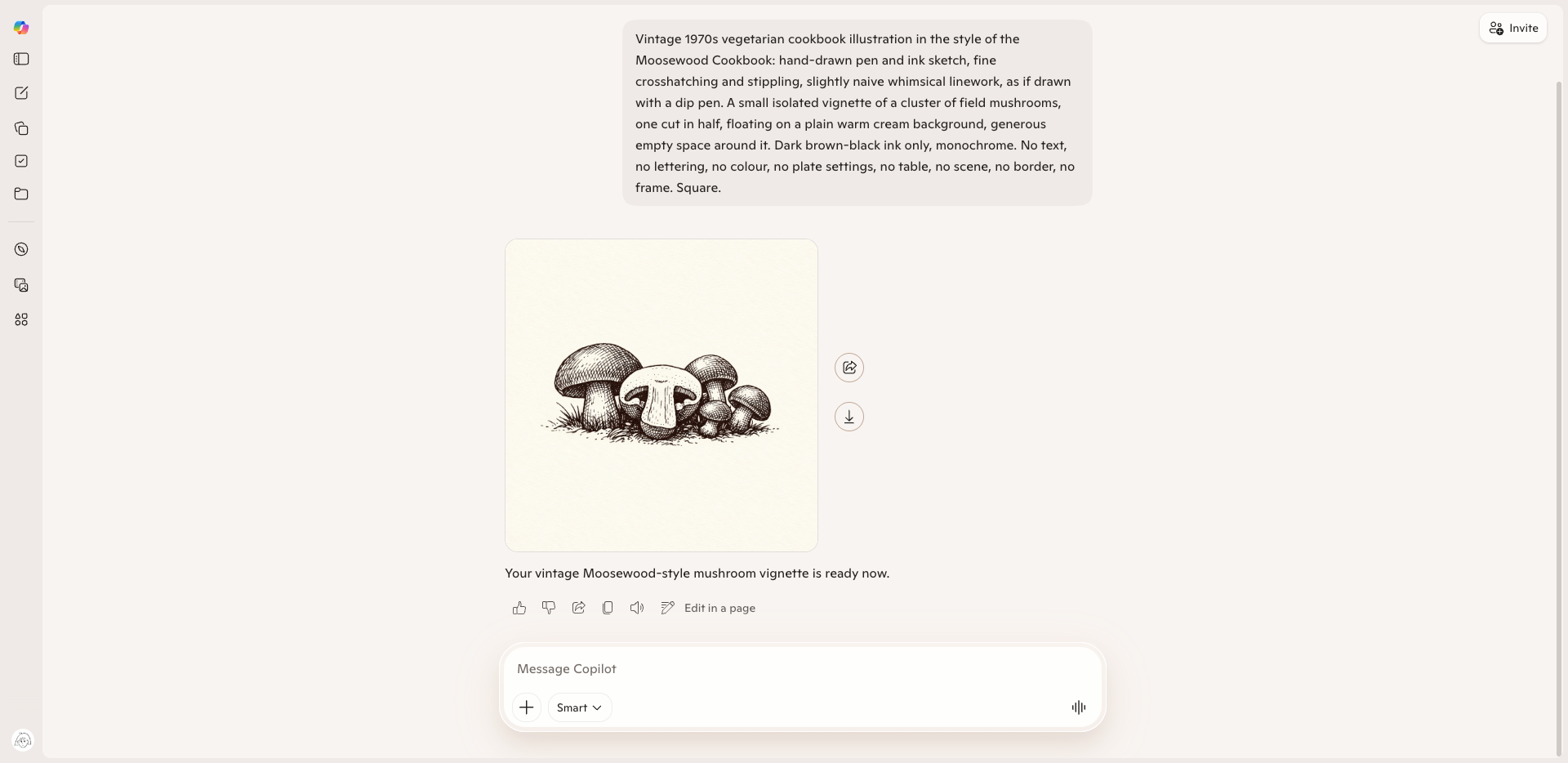
Copilot’s mushrooms
3. Microsoft Copilot
Powered by: OpenAI's GPT-Image-1.5, per Microsoft's January rollout notes.
Style: A little more detailed.
Strengths: A great image
Weaknesses: More detail than this brief wanted; the Moosewood look lives on restraint
Best for: Briefs that reward detail rather than punish it
A great image with more polish than the job asked for.
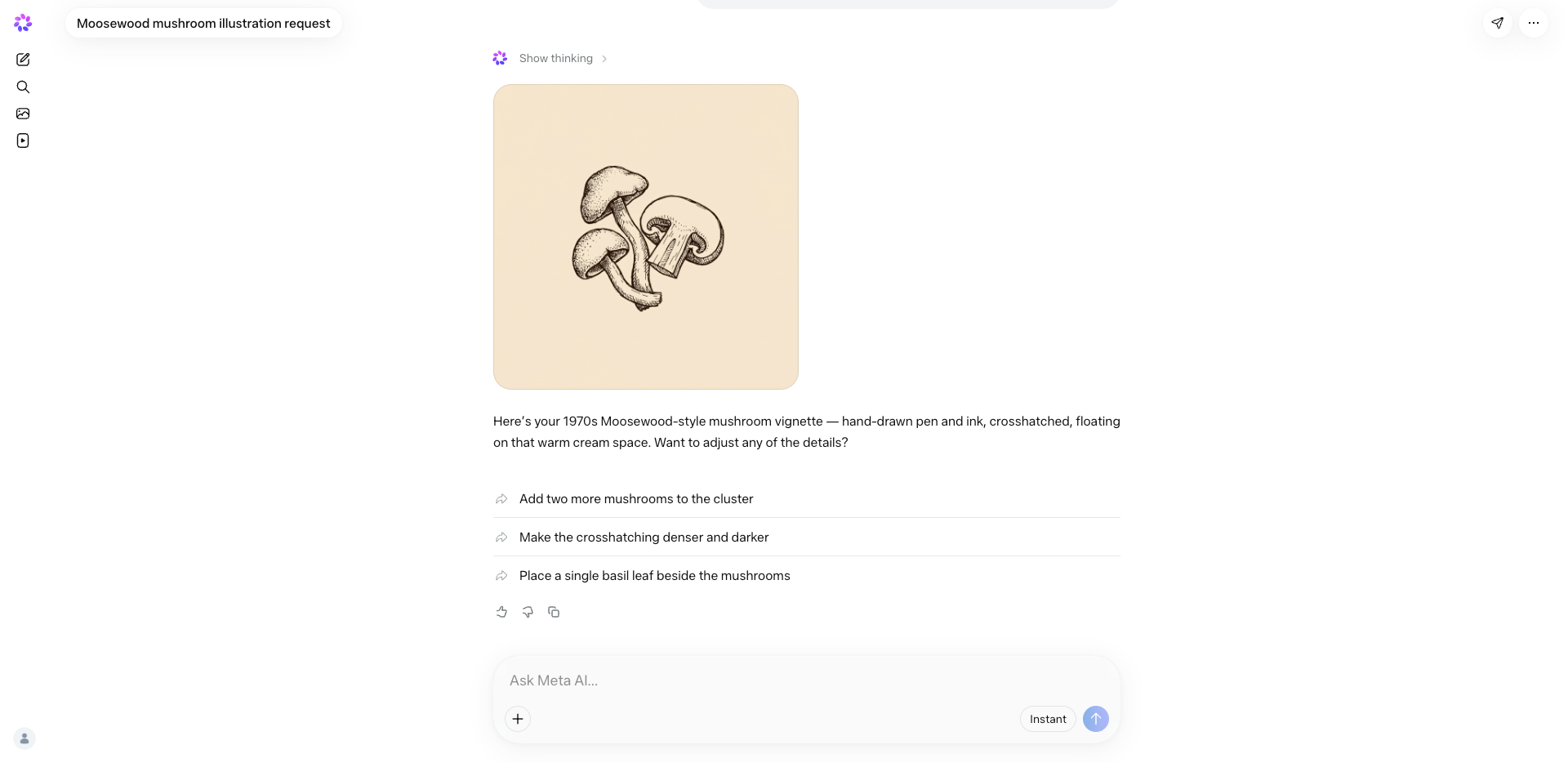
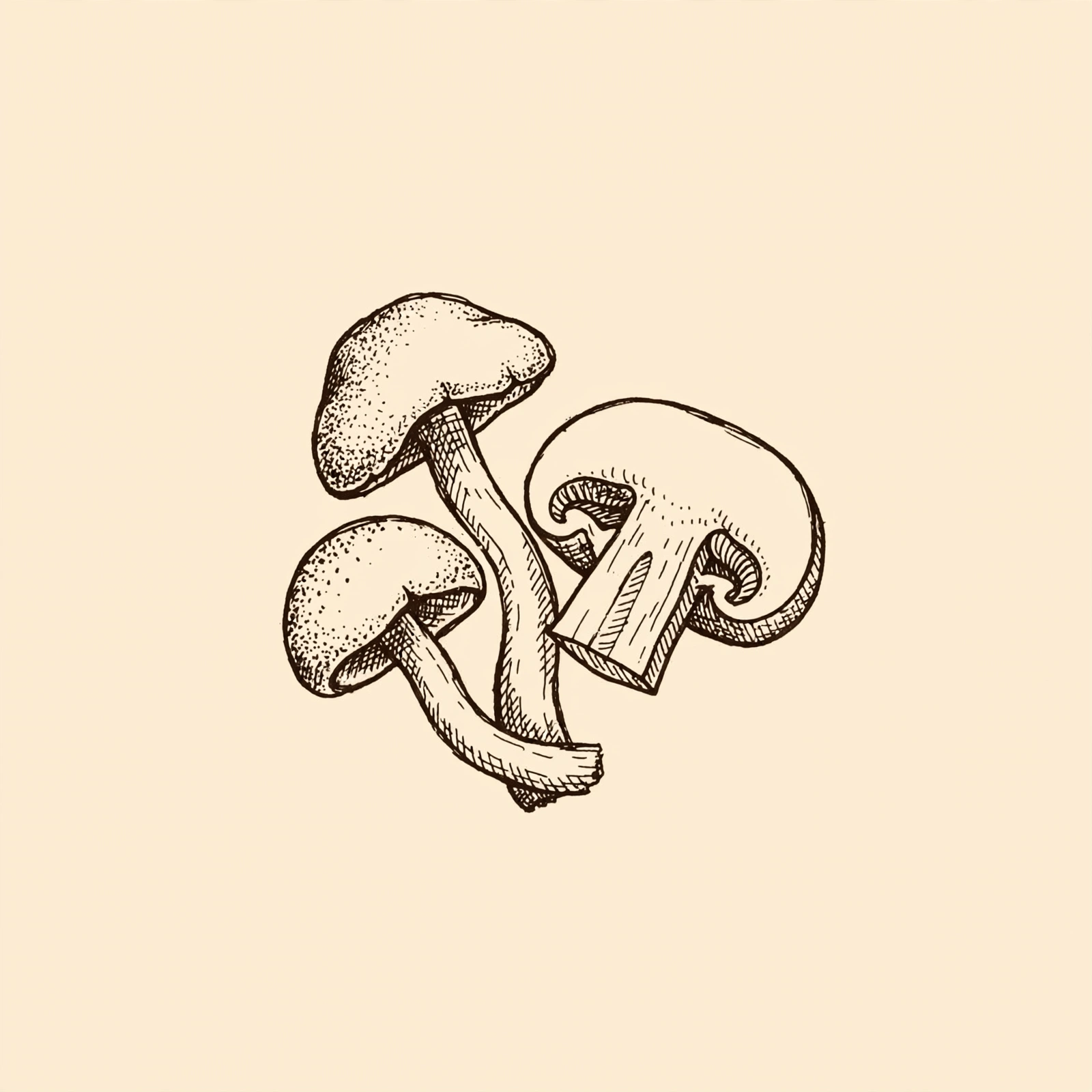
Meta’s mushrooms
4. Meta AI
Powered by: Unclear, but possibly the new Muse Image model.
Style: A little too simple.
Strengths: Perfectly usable output
Weaknesses: Saves as webp by default, so every image needed an extra conversion step to become the png I wanted. And beyond the format friction, I just never wanted to pick its version.
Best for: A fallback when it's the tool already in front of you
Fine. Fine is fourth.
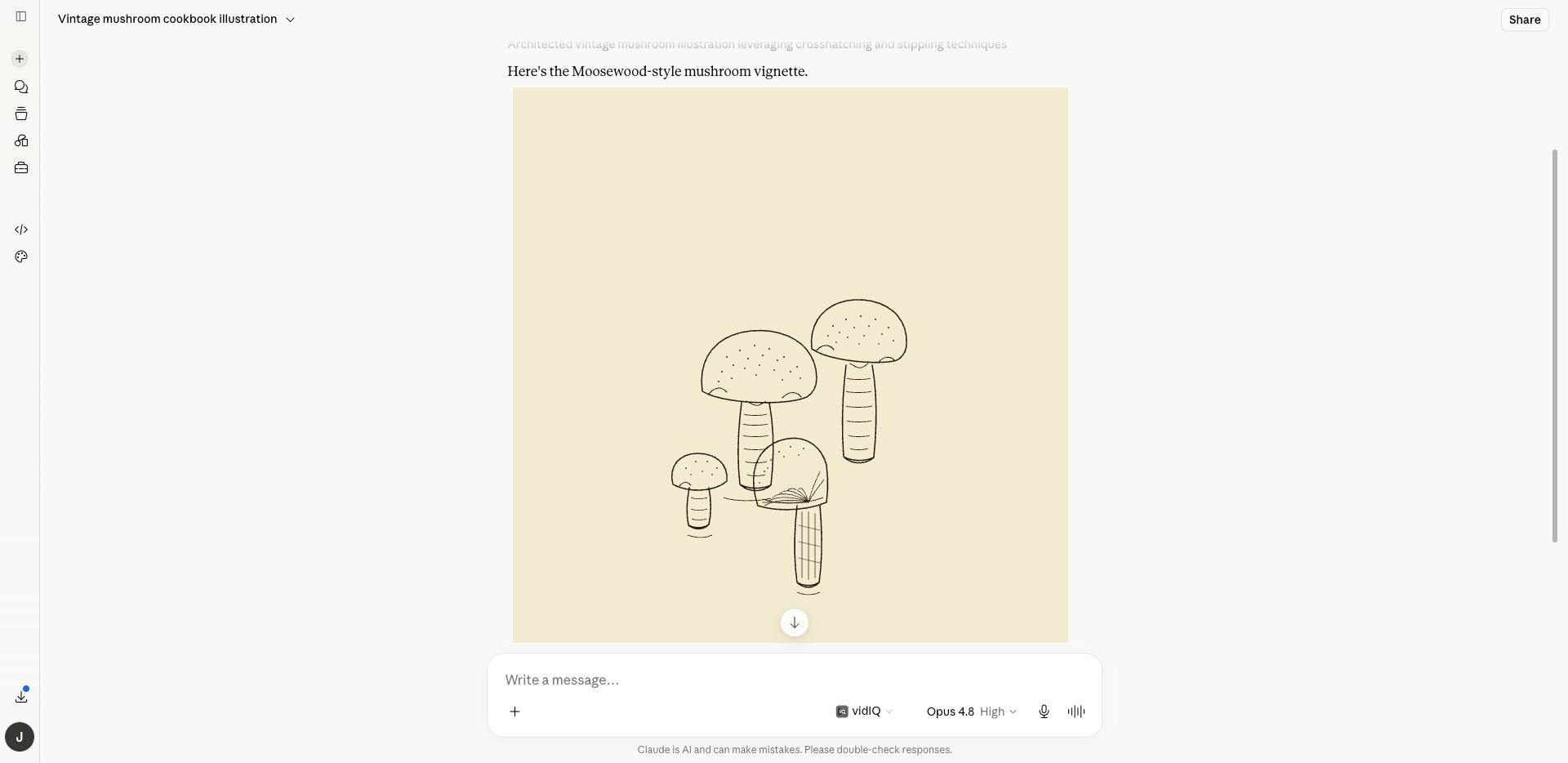
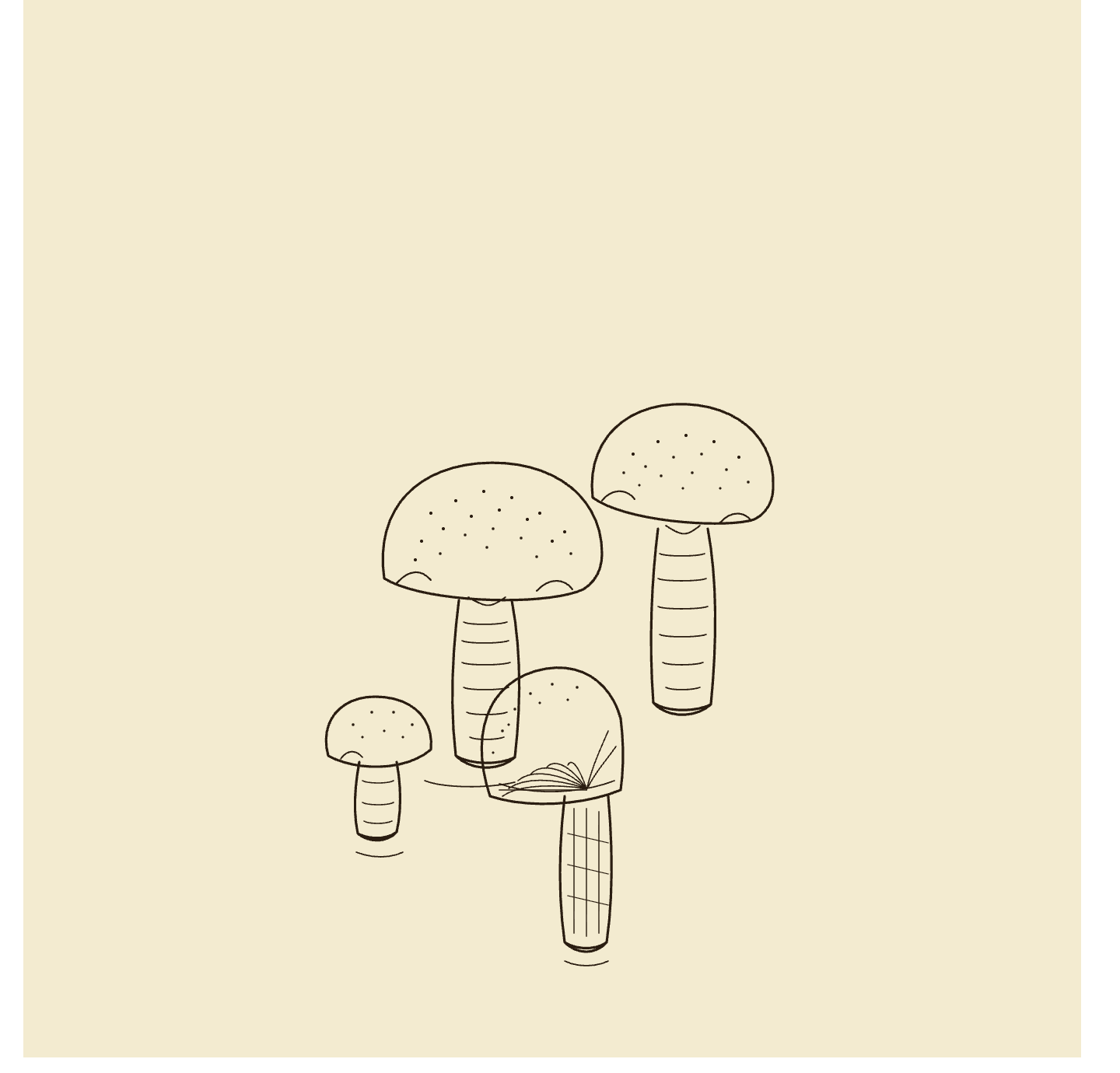
Claude’s mushrooms
5. Claude
Powered by: Claude Opus 4.8, which has no image model at all. It writes drawing code and renders the result, which explains both the SVG download button and the picture.
Style: Too naive.
Strengths: The friendliest output handling of the field: copy to clipboard, download as SVG or PNG. Lovely ergonomics around the wrong image.
Weaknesses: The worst image out of the box, laughably bad, and when it suggested improvements and had a second go, the result still trailed every other tool's first attempt.
Best for: Building the app the images go into, which it did, in an afternoon
Built the entire product this brief came from and still can't draw. It wins the article while losing the test.
The one that didn't finish: ChatGPT
ChatGPT was last year's headline recommendation, my ‘if you need one reliable tool’ pick. This year it returned a broken image response. I tried four times, got four failures, and then a message that I was out of credits. Paying to find out whether attempt five would work didn't appeal, since ChatGPT no longer has a place anywhere else in my week, so it exits the test unranked.
There's a finding in that too. Reliability and credit walls are part of a tool's real performance, and ‘last year's safe pick’ is not a permanent title.
Round two: the consistency test
A single good image is a party trick. A usable illustration set needs twenty images that look drawn by the same hand, and that's a different skill.
Gemini's round two happened in production: the recipe app's entire set came from one thread, the same master prompt repeated with only the subject swapped, fish then potatoes then a steaming saucepan then a butcher's cut of beef, and so on. Consistency came from the repetition. Every new thread is something of a new artist, so I pinned the conversation in case I need to return to it again in future.
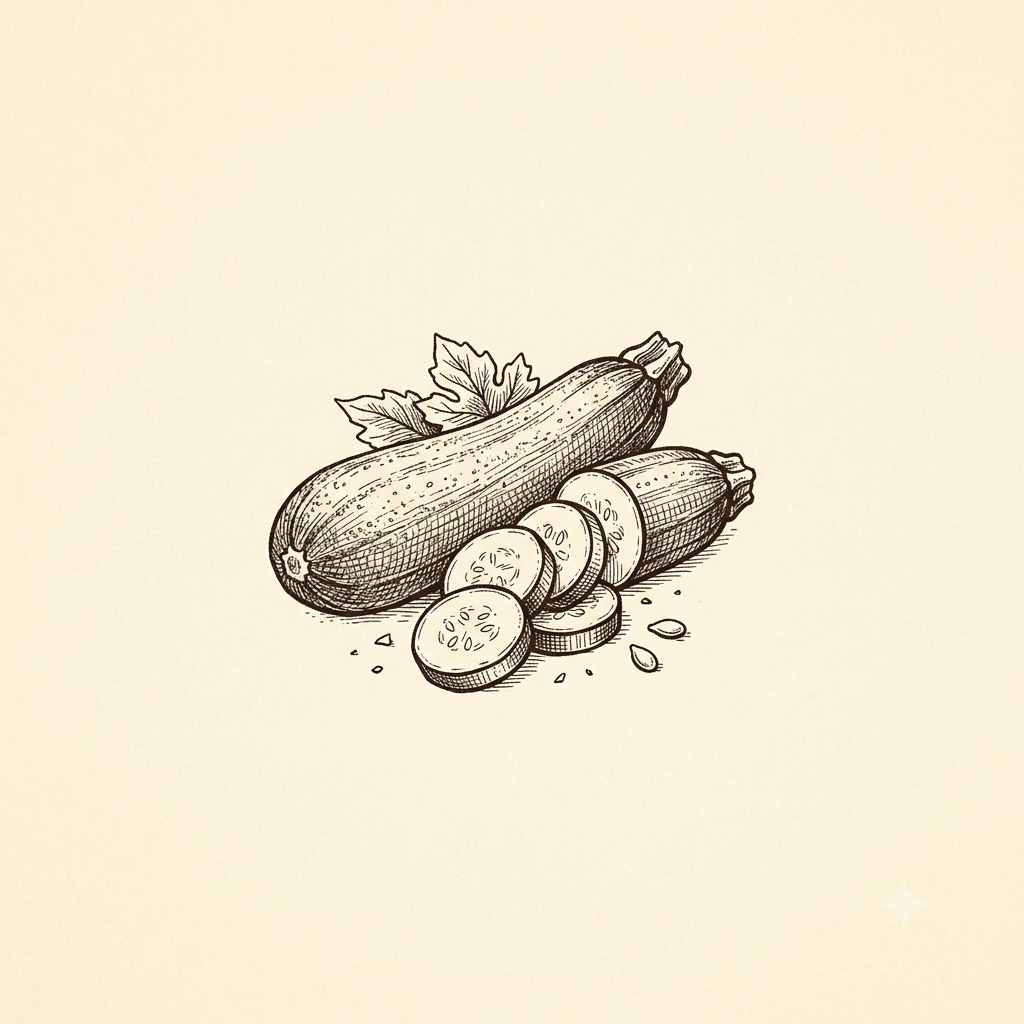
Gemini's zucchini
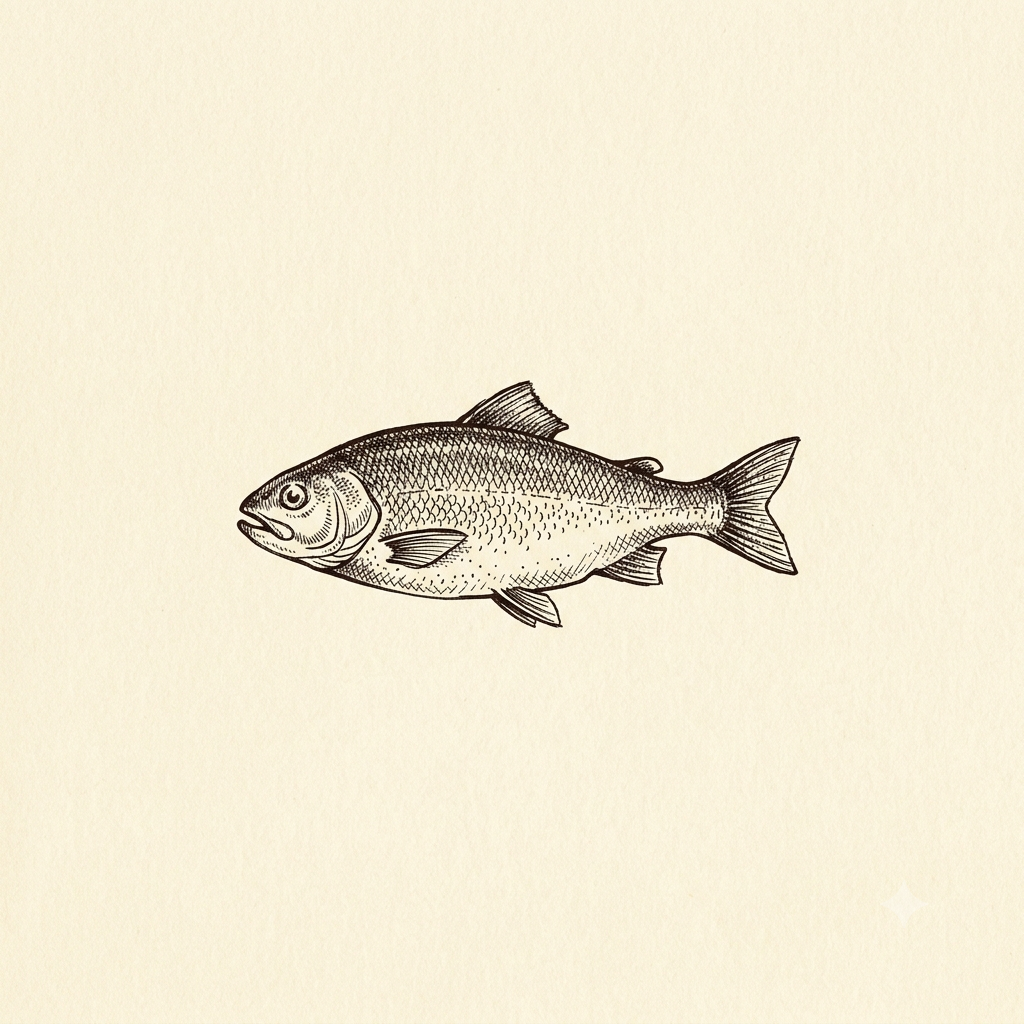
Gemini's fish
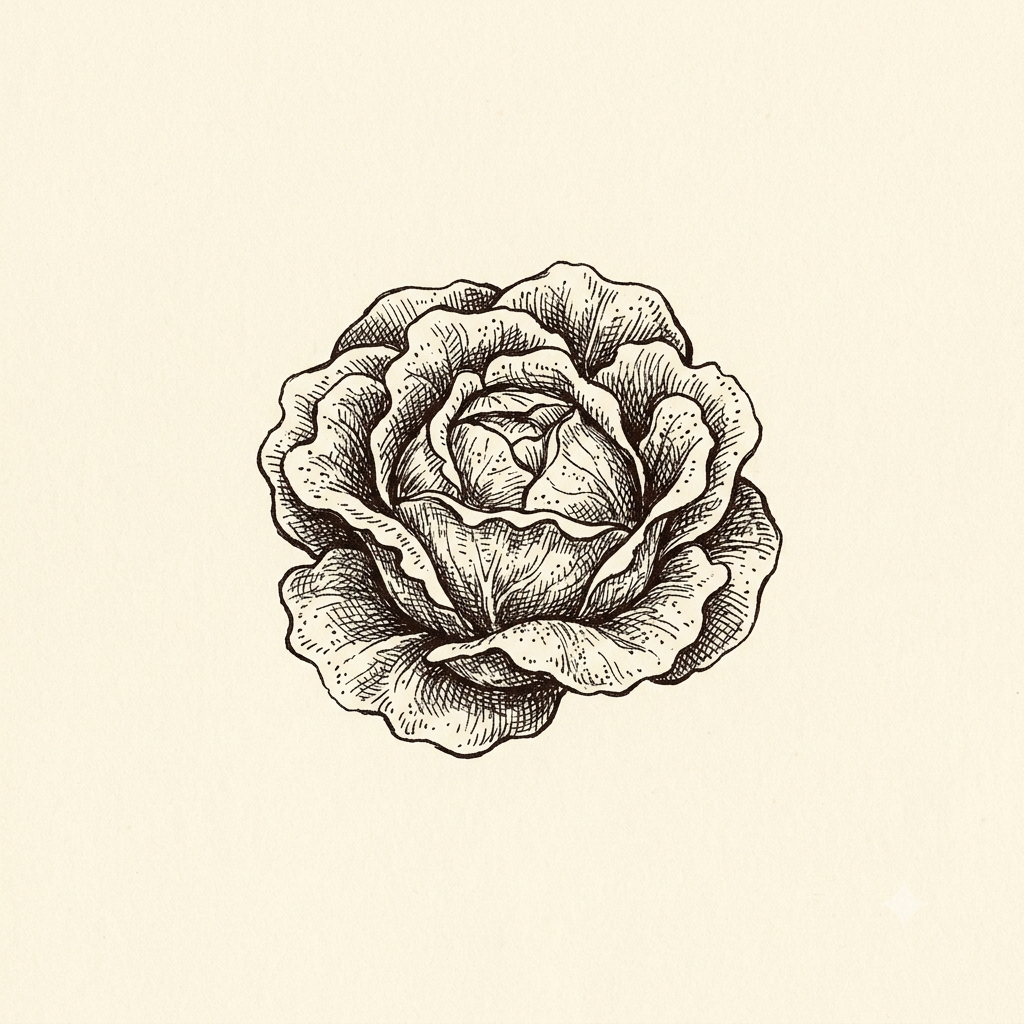
Gemini's lettuce
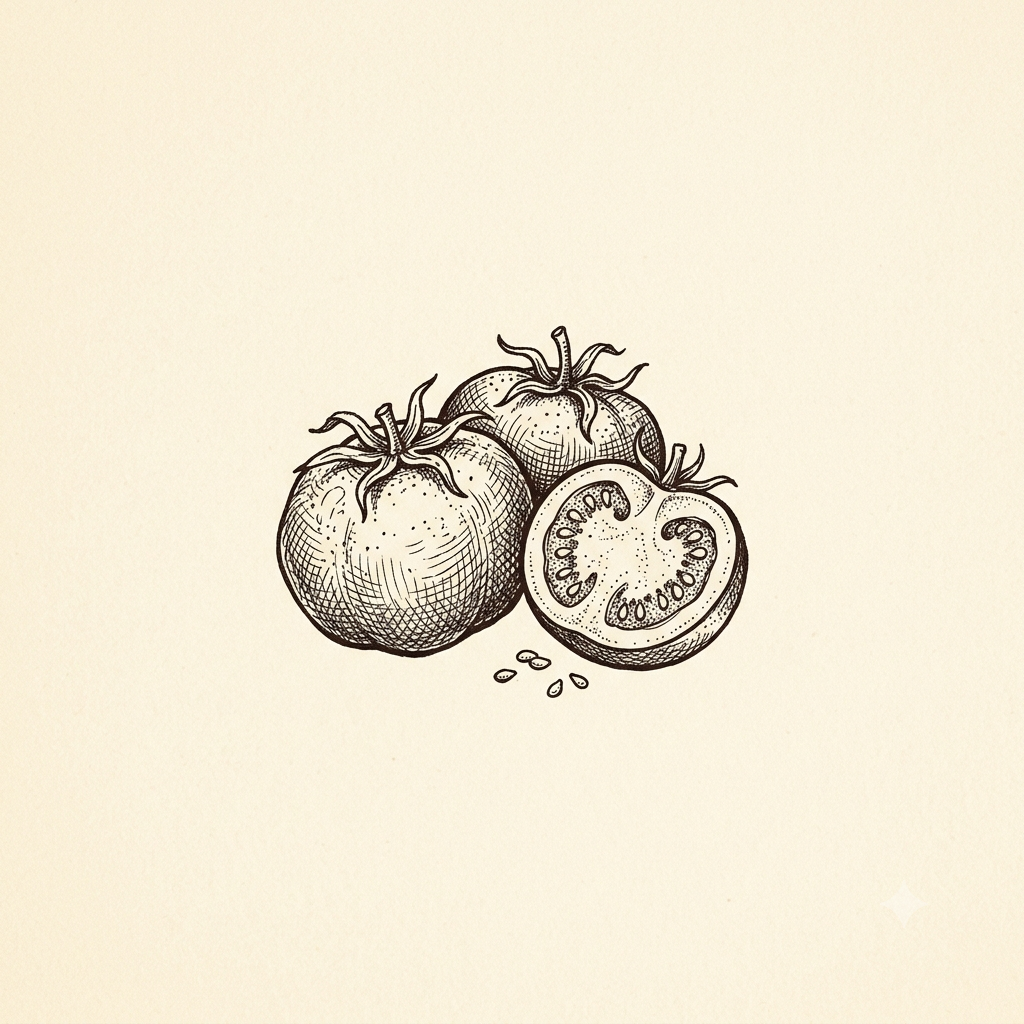
Gemini's tomatoes
What this means for your workflow
If you need an illustration set, use Gemini, keep one thread, and reuse drawings across similar subjects instead of generating fifty. If you live in Notion, let Notion AI choose the model and accept the clunkier save-out, especially if the images belong on Notion cards anyway. If your brief is an infographic with brand colours, last year's rankings are still the better guide. And if you're building the thing the images go into, Claude is the right tool for every part of the job except this one.
Both league tables are true
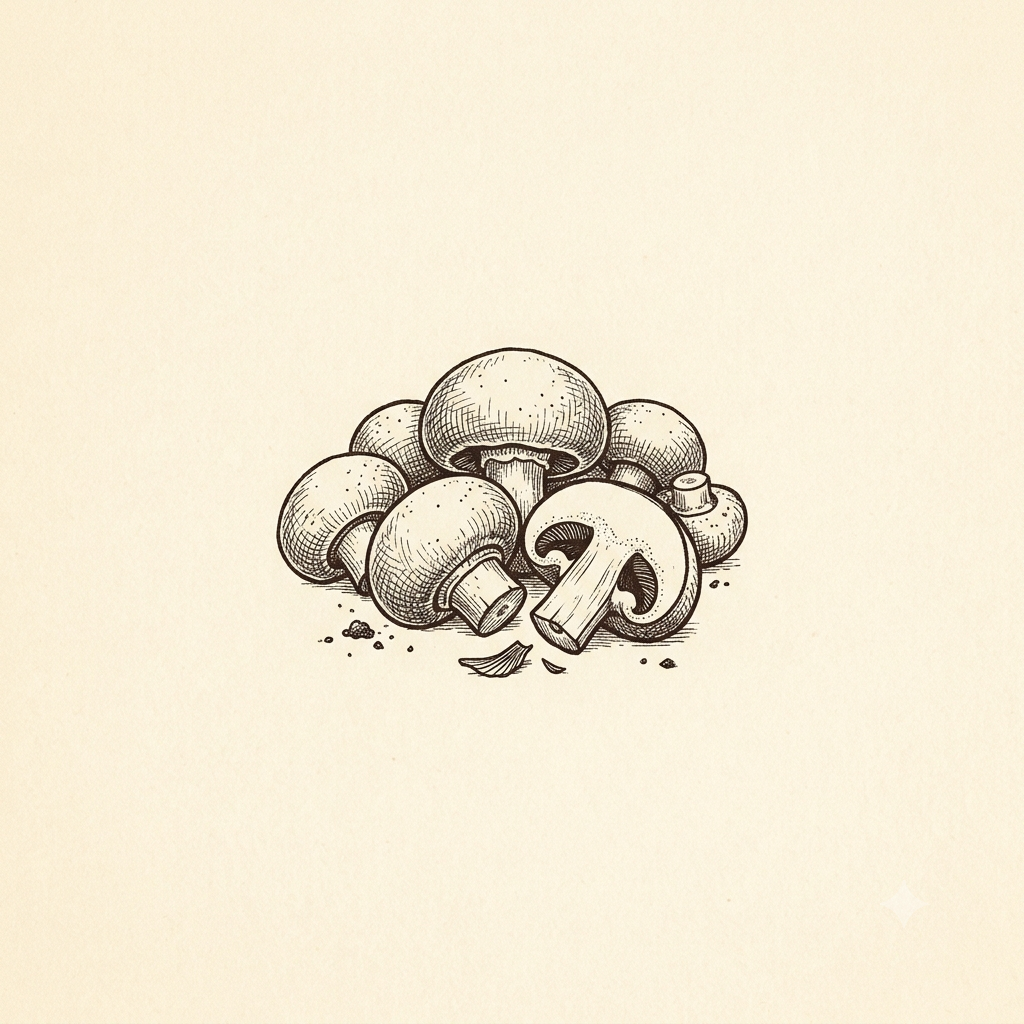
Gemini's mushrooms
The 2025 test and this one disagree about nearly everything, and neither is wrong. Last year's brief rewarded layout, data handling and brand colour discipline. This year's rewarded style imitation and restraint. Same tools, different muscles.
Another finding from this year: first and second place both trace back to Google's image model, reached through two different products, and third place runs OpenAI's image engine inside a Microsoft product. So OpenAI's model did compete this year; it arrived through Copilot while ChatGPT itself was serving broken images.
When the engines converge, the ranking comes down to ergonomics, like how fast you can copy, save and file each image. Gemini's one-click save and Meta's webp-to-png detour sit at opposite ends of that scale. That's a boring reason to pick a tool and a completely legitimate one across a twenty-image job.
Run your own version of this test with a brief from a real project. Mine took ten minutes and settled the question for my project on the spot.
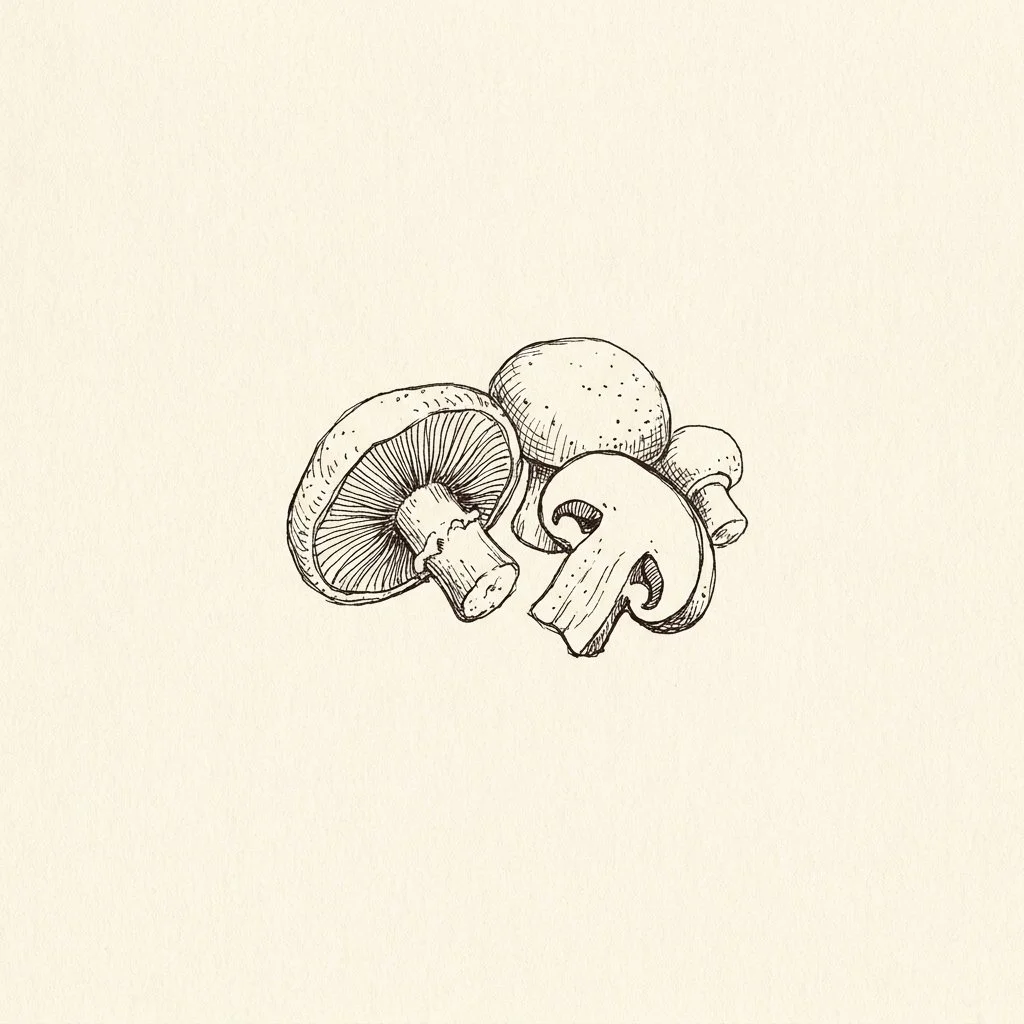
Notion's mushrooms
Copilot's mushrooms
Meta's mushrooms
Claude's mushrooms
FAQ
Why did the rankings change so much in a year?
Both things moved, but the brief mattered more. The engines did change underneath the products (Copilot switched to an OpenAI image model, Meta shipped a new one the week I tested), but a branded infographic and an ink illustration reward different muscles. Claude is the clean example: it has no image model, it draws by writing code, and code is far better at tables and charts than at wobbly hand-drawn mushrooms.
Why is Grok missing this year?
I don't use Grok anymore (even for testing purposes).
Do you need a paid plan for these results?
No. Gemini, Copilot, Meta AI and ChatGPT all ran on free plans; Claude and Notion AI are the two I pay for. The winner was free and the worst image came from a paid plan, so subscription price told me nothing about drawing ability.
How do you keep a set of images consistent?
One thread, one master prompt, swap only the subject. Consistency comes from repetition, and every new thread is a new artist.
Found the right tool for the job? Now find the right system
Rankings change based on the brief in front of you. The same goes for your workflow.
Could you use a central hub for your freelance work?
The Organised Creative Notion Template helps you track projects, manage deadlines, and store important info so you spend less time switching between tools and more time doing the work.
EXPLORE THE TEMPLATE →
How about systems that work across your whole life?
The Most Organised Person I Know shows you how to design simple systems that reduce mental load and help your work flow more smoothly, from daily tasks through to long-term projects, at work and at home.
GET THE EBOOK →
Because the best system is the one that fits the brief in front of you.
Related articles
The AI image battle 2025, where these rankings started.
The recipe app article, where this brief came from.
The knowledge battle and the pricing battle, the rest of the series.